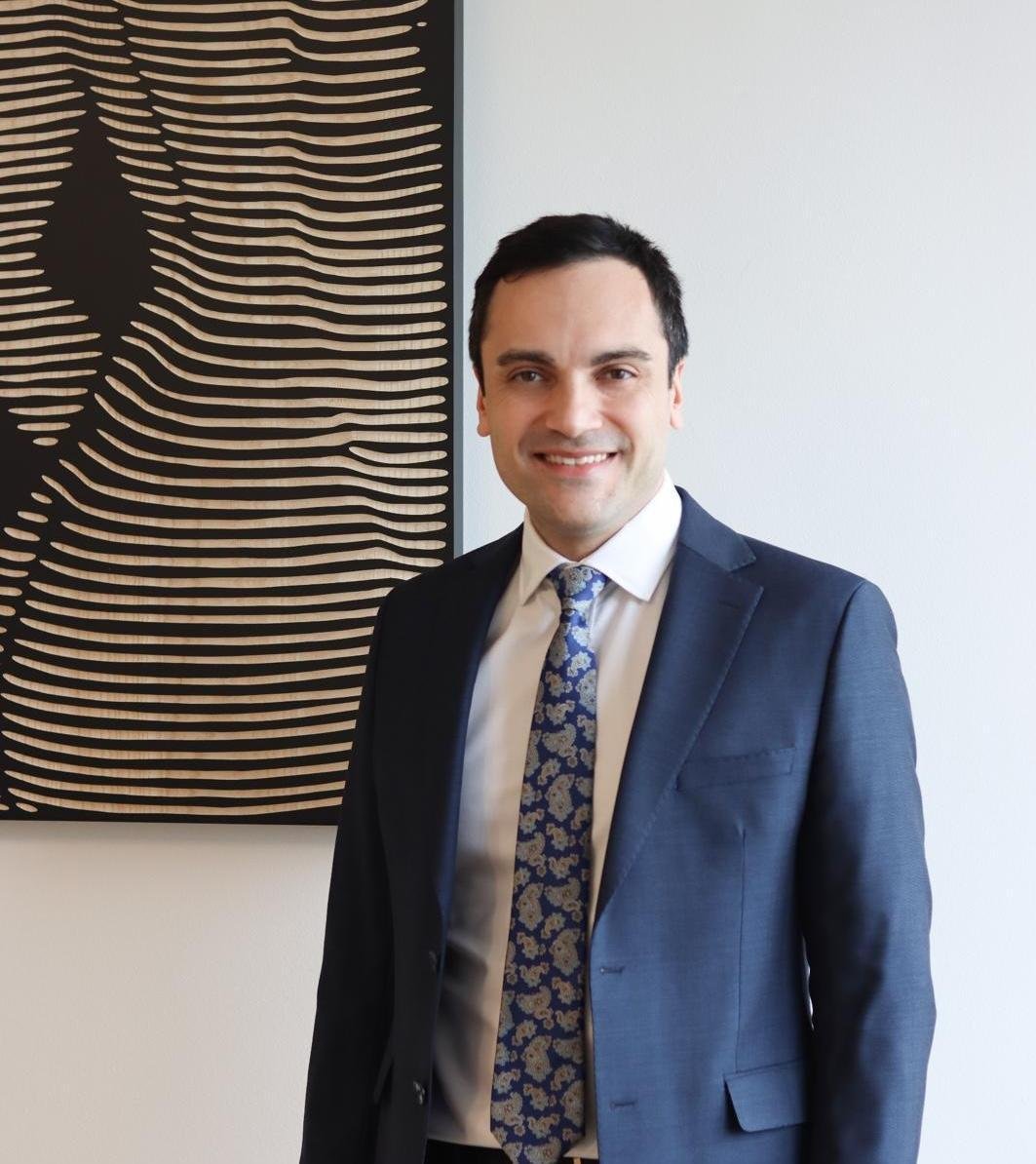
Cartilage-sparing techniques. Hidden scars behind the ear. One operation, lifelong result. Performed by Doç. Dr. Ayhan Işık Erdal — FACS, FEBOPRAS, and USHAŞ-certified for international medical tourism.
Otoplasty is one of the most consistently rewarding operations in plastic surgery — when done by an experienced surgeon. We combine surgical expertise with end-to-end international patient logistics.
Modern Mustardé- and Furnas-based approach. No cartilage cuts or rasping. Permanent sutures recreate the natural antihelical fold and reduce conchal projection in measured, reversible increments.
Learn the techniqueAll incisions are placed behind the ear in the natural crease where the ear meets the scalp. After 3 months, the scar is invisible from the front and difficult to see even from behind.
See how it's doneFrom airport pickup to follow-up calls back home. We coordinate hotel near the clinic, airport transfers, pharmacy supplies, English-speaking nursing team, and structured online follow-up after you fly home.
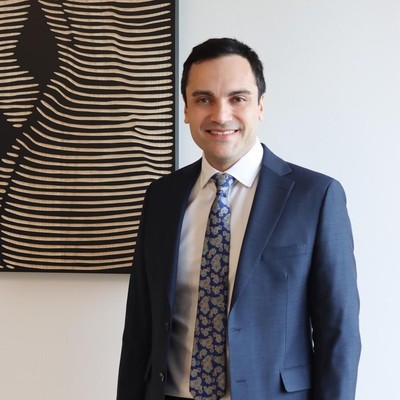
International guideDoç. Dr. Erdal holds the highest international and European board certifications in plastic surgery, plus the Turkish Associate Professor academic rank. 30+ peer-reviewed publications. USHAŞ international medical tourism license.
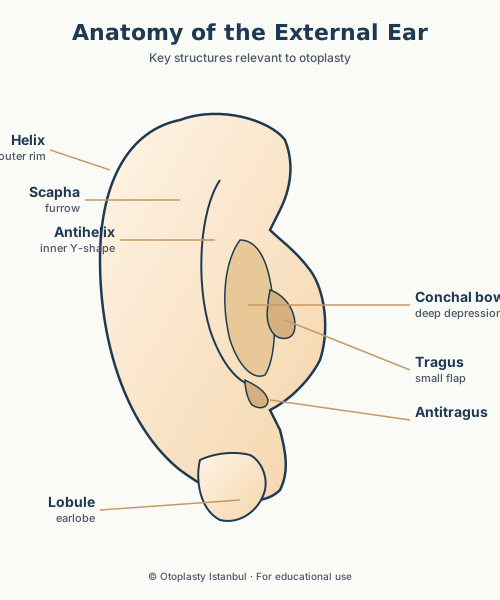
About the surgeonWe send detailed pre-op educational materials including labeled ear anatomy diagrams, before/after schematics, technique explanations, and an honest list of risks. No pressure, no upsell.
Patient educationNo "standard" otoplasty. We measure auriculocephalic angle, evaluate cartilage thickness, identify whether antihelical fold or conchal projection (or both) is the issue, and choose the technique combination accordingly.
Patient storiesA "prominent ear" can result from an underdeveloped antihelical fold, an over-projected conchal bowl, or both. Diagnosis dictates technique.
The antihelical fold is the inner Y-shaped ridge. When it is shallow or absent (about 70% of prominent ears), the upper ear flops outward. We recreate it with Mustardé sutures.
The conchal bowl is the deep depression next to the ear canal. When over-projected (about 30% of prominent ears), the whole ear sits too far from the head. We pull it back with Furnas conchomastoid sutures.
Many patients have both features. The art of otoplasty is balancing the two corrections to create a natural — not over-corrected — result.
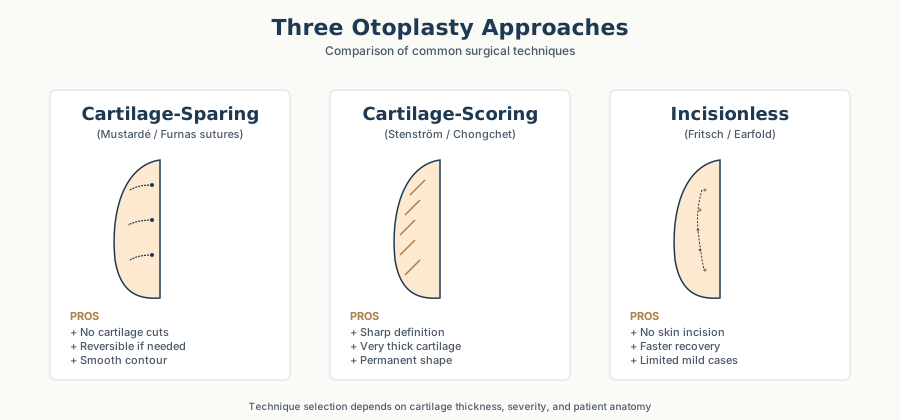
Read about prominent ears →No single technique fits every patient. We select between cartilage-sparing sutures, cartilage-scoring methods, and incisionless options based on your anatomy.
Mustardé and Furnas sutures reshape the ear without cutting cartilage. Recovery is faster and complications are rarer.
Read morePermanent mattress sutures create a new antihelical fold by gently bending the cartilage from behind.
Read moreConchomastoid sutures pull the conchal bowl toward the skull, reducing how far the ear projects.
Read moreFor mild deformities with thin cartilage. Sutures placed through small needle punctures with no skin incision.
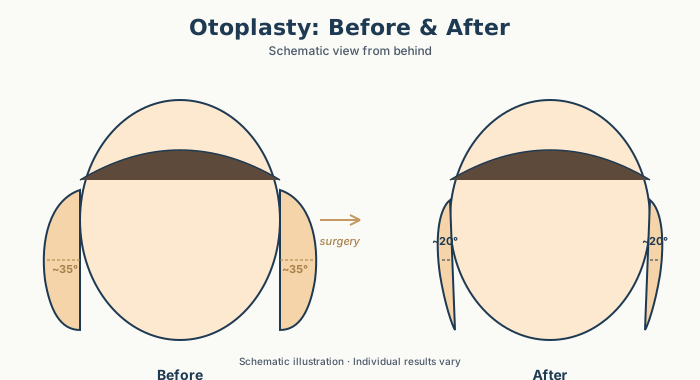
Read moreA normal ear-head angle is 17–21°. Prominent ears typically sit at 30–45°. Otoplasty restores the natural angle without making the ears look pinned or fake.
Schematic illustration · Individual results vary · No actual patient images shown
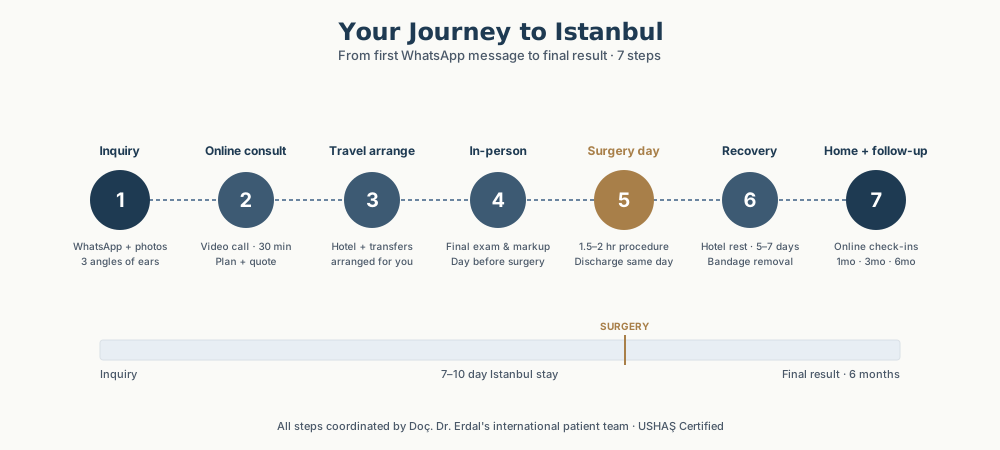
From your first WhatsApp message to your final follow-up months later, every step is coordinated by our international patient team.
Otoplasty has one of the highest patient satisfaction rates of any cosmetic operation. Here are the most common reasons patients choose it.
Most international otoplasty patients are 20–45 years old, often hiding their ears under longer hair or hats since childhood. Once the source of discomfort is corrected, the change in confidence is reported by nearly every patient.
Ages 13–17 are excellent candidates — the ears are fully grown by age 5–6 but the patient is now mature enough to participate in the decision. We perform many cases for international teen patients, parents present throughout.
When prominent ears are causing teasing or bullying, surgical correction is well-established as both safe and beneficial for psychological development. We handle pediatric cases with appropriate anesthesia teams and child-friendly care.
If a previous otoplasty has failed — ears partially or fully relapsed, asymmetry, telephone deformity, over-correction — we evaluate and offer revision options. These cases are technically demanding but rewarding when handled carefully.
Beyond simple prominent ears, we treat the full range of congenital ear deformities including Stahl's ear (third crus), cup ear (constricted ear), cryptotia (buried upper pole), and macrotia (oversized ear).
Many patients have asymmetric prominence — one ear sticking out more than the other. We can perform bilateral or unilateral otoplasty depending on what corrects the appearance most naturally.
Associate Professor of Plastic Surgery, double board-certified in the United States (FACS) and Europe (FEBOPRAS), with 30+ peer-reviewed publications and an active academic teaching role. USHAŞ-licensed for international health tourism.
Based in Nişantaşı — Istanbul's most international medical district. Trained at Hacettepe University, with fellowship experience in multiple countries. Member of ISAPS, IPRAS, EURAPS, ASPS, and TPRECD.
Full credentials →Otoplasty in Istanbul typically costs significantly less than equivalent procedures in the UK, US, or Western Europe — often 40–60% lower. Final pricing depends on technique, anesthesia type, and accommodation needs. For exact pricing, please WhatsApp us with your photos.
Yes, when performed by a properly board-certified surgeon. Doç. Dr. Erdal holds FACS (American College of Surgeons), FEBOPRAS (European Board), Associate Professor academic rank, and USHAŞ international health tourism certification. Operations are performed in fully accredited private hospitals with the same standards as Western Europe.
International otoplasty patients typically stay 7–10 days. This covers in-person consultation (day 1), surgery (day 2), recovery and bandage removal (days 3–8), and final check before departure (day 9–10). Flying is safe from day 7 onwards.
Yes. When the antihelical fold is properly recreated and the conchal projection corrected using permanent sutures or cartilage modification, results are lifelong. A small percentage of cases (1–3%) may require minor revision, which we discuss honestly during consultation.
The ear reaches 85% of adult size by age 5–6, so otoplasty can be performed safely from age 5 onwards. However, the most common patient age groups are 8–14 (parental decision) and 20–45 (adult self-decision). There is no upper age limit when patient is in good health.
Schedule a free WhatsApp consultation with Doç. Dr. Erdal. Send photos and questions — typical response within 2 hours during business hours.